How Long Does Pine Straw Last in Northwest Florida?
Pine straw lifespan depends on rainfall, sun, foot traffic, and more. Here is what Pensacola homeowners should know about when to refresh their pine straw.
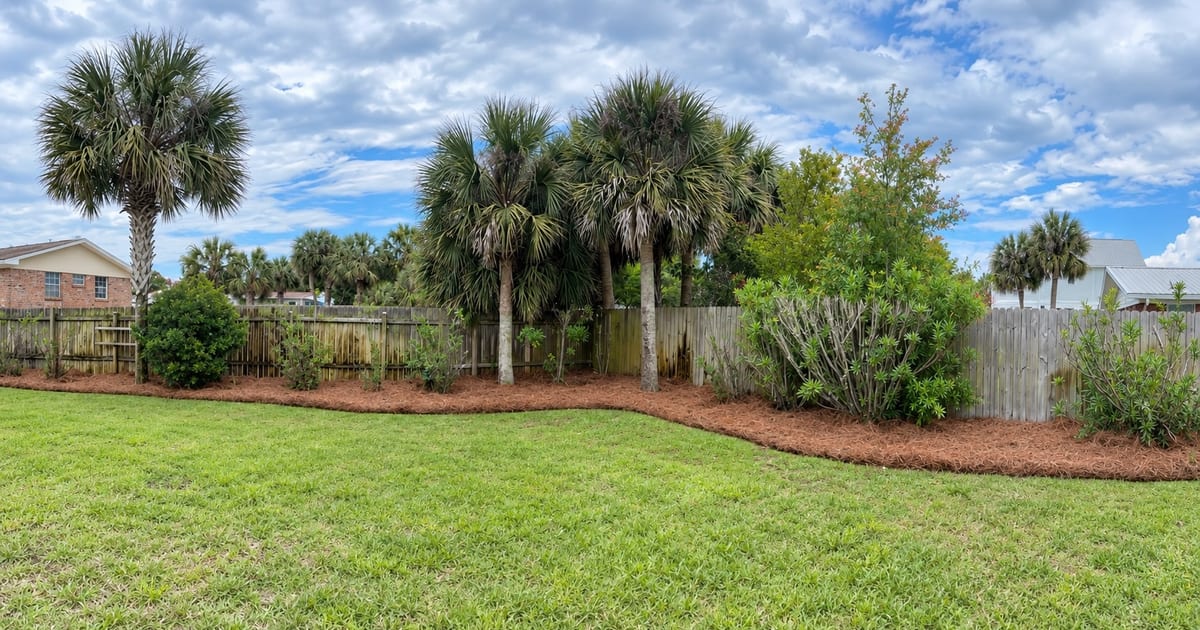
If you have pine straw in your landscape beds, you have probably wondered at some point: how long is this actually going to last? It is a fair question, and the honest answer is that there is no single number that applies to every yard.
Pine straw does not come with an expiration date. How long it stays looking fresh and provides good coverage depends on a combination of factors — some you can control, some you cannot. Here is what Pensacola and Northwest Florida property owners should know.
There Is No Guaranteed Lifespan
You may see general estimates online — six months, one year, two years. Those numbers can be misleading because they do not account for the wide range of conditions that affect pine straw in real yards.
What matters more than a fixed timeline is how your pine straw looks and how well it is still doing its job. When coverage starts to thin, color fades significantly, or soil becomes exposed, it is time to think about a refresh — regardless of how long ago it was installed.
What Affects How Long Pine Straw Lasts
Rainfall and Drainage
Northwest Florida gets significant rainfall, especially during summer. Heavy rain can shift and compact pine straw over time, particularly in beds without good drainage or on sloped areas where water moves quickly. Beds that drain well tend to hold their pine straw longer.
Sun Exposure
Direct sunlight bleaches pine straw faster than shade does. Beds on the south or west side of a home — where sun exposure is strongest — will fade more quickly than shaded beds under trees or on the north side of a structure. This is completely normal and does not mean the pine straw has stopped working; it just means the color has changed.
Foot Traffic
Pine straw in high-traffic areas — near walkways, play areas, or spots where people regularly cut through — will flatten and thin out faster than pine straw in undisturbed beds. If people or pets are walking through your beds regularly, expect to refresh those areas more often.
Installation Depth
A proper installation depth makes a real difference. Pine straw that is applied too thin will break down and thin out faster. A good installation gives the beds enough depth to maintain coverage even as the material naturally settles and decomposes over time.
Condition of the Landscape Beds
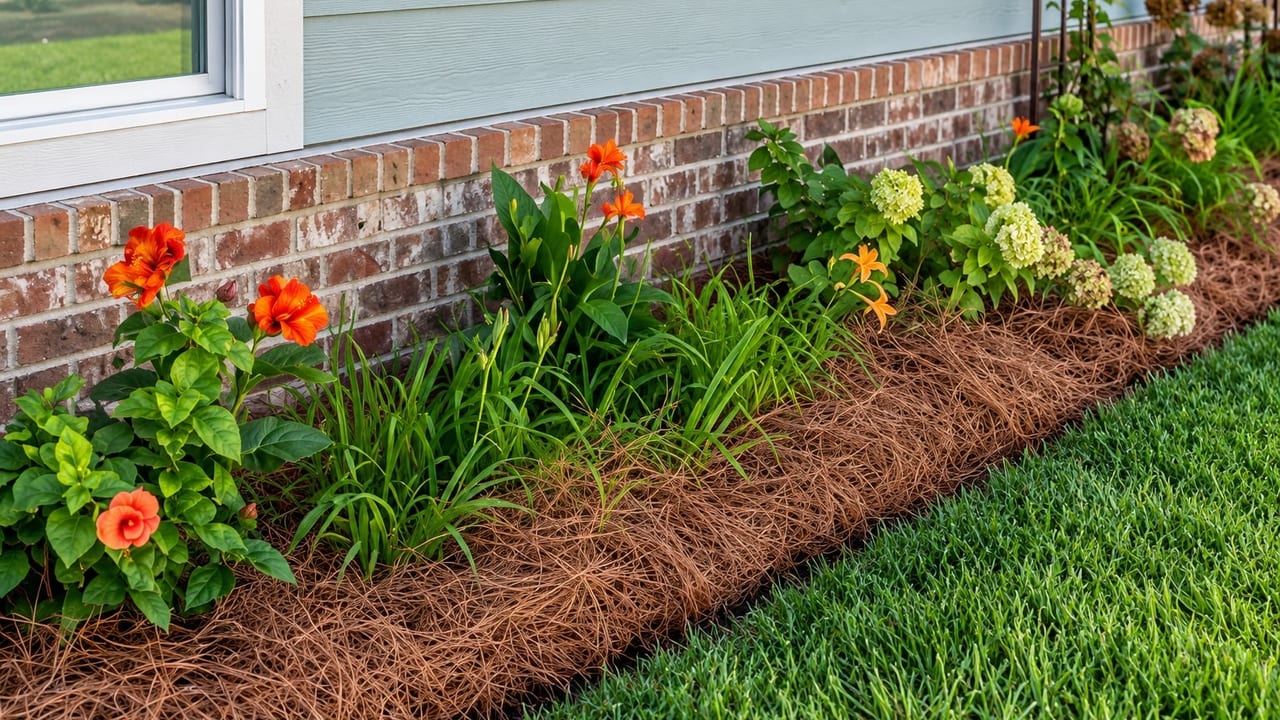
Beds with healthy soil, good edging, and established plants tend to hold pine straw better than beds with loose edges or bare, exposed areas. Well-defined beds keep pine straw in place and make the overall landscape look cleaner for longer.
Still There vs. Still Looking Its Best
This is an important distinction that does not get talked about enough.
Pine straw can still be physically present in your beds — covering the soil, suppressing weeds, retaining moisture — while no longer looking its freshest. The rich reddish-brown color that makes pine straw so attractive in a landscape will naturally fade to a gray or tan over time. That fading does not mean the pine straw has stopped working, but it does affect the overall appearance of your property.
Many homeowners in the Pensacola area choose to refresh their pine straw once or twice a year — not because the old pine straw has completely broken down, but because they want their landscape beds to maintain that clean, well-kept look. How often you refresh is really a matter of the appearance and coverage standard you want to maintain.
Signs It May Be Time for a Refresh
Not sure whether your pine straw is due for a top-up? Here are some things to look for:
- Faded color — The pine straw has gone from reddish-brown to gray or tan and no longer looks fresh
- Thinning coverage — You can see gaps or bare patches where the pine straw has shifted or broken down
- Exposed soil — Bare dirt is visible in areas that should be covered
- Flattened or compacted pine straw — The material has been pressed down and no longer has any loft or depth
- Landscape beds that no longer look neat and defined — The overall appearance of the beds has declined even if pine straw is still technically present
If you are noticing one or more of these signs, a fresh layer of pine straw can make a significant difference in how your property looks.
A Few Practical Tips for Northwest Florida Yards
Top-dress rather than replace. In most cases, you do not need to remove old pine straw before adding a fresh layer. A top-dressing of new pine straw over existing material is usually all it takes to restore color and coverage.
Pay attention after storm season. Summer storms in the Pensacola area can shift pine straw, especially in exposed beds. A quick inspection after heavy rain or wind events can help you catch areas that need attention before they become an eyesore.
Keep bed edges defined. Clean, well-edged beds help pine straw stay in place and make the landscape look sharp. If your bed edges have become overgrown or undefined, addressing that at the same time as a pine straw refresh will give you the best result.
Longleaf vs. Slash Pine Straw: Does It Matter for Lifespan?
Yes — longleaf pine straw lasts noticeably longer than slash pine. The longer, denser needles decompose more slowly and hold their colour better through Florida's heat and humidity. If you want to extend the time between refreshes, longleaf is the better investment. Learn more about our longleaf pine straw rolls.
Frequently Asked Questions
Does pine straw need to be removed before adding a new layer? In most cases, no. You can top-dress over existing pine straw as long as the old material is not excessively thick or matted down. A fresh layer on top restores color and coverage without the extra work of a full removal.
How often do most homeowners in Pensacola refresh their pine straw? It varies. Some homeowners refresh once a year, typically in the spring. Others prefer to refresh twice a year — once in spring and again in fall — to keep their beds looking their best year-round. There is no single right answer; it depends on your property, your preferences, and how your pine straw holds up over time.
Will pine straw wash away in heavy rain? Pine straw is generally resistant to washing away because the needles interlock and hold together. However, very heavy rain or poor drainage can shift it, particularly on slopes. A properly installed layer at the right depth will hold up well under typical Northwest Florida weather conditions.
Is faded pine straw still doing its job? Yes. Even after the color has faded, pine straw continues to suppress weeds, retain soil moisture, and regulate soil temperature. The fading is a cosmetic change, not a sign that the pine straw has stopped functioning. That said, if coverage has thinned along with the fading, a refresh will help on both fronts.
Ready to Refresh Your Pine Straw?
Pine Straw Guys specializes in pine straw pickup, delivery, and professional installation throughout Pensacola and the surrounding Northwest Florida communities. Whether you are ready for a full refresh or just want to top-dress a few beds, we are here to help.
Give us a call at (850) 889-1606 or visit FloridaPineStrawGuys.com to request your free estimate or schedule your service. We make it easy to keep your landscape beds looking clean, defined, and well-maintained all year long.
Explore Topics
Written by
Pine Straw Guys
Content creator and writer sharing insights and stories.